Mixmaster Phil Harding of Hit Factory PWL; Kylie, Dead or Alive, Rick Astley, Divine & Bananarama
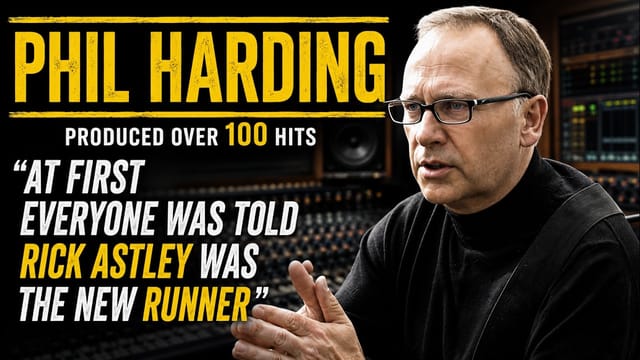
Phil Harding(Stock Aitken Waterman)
1:07:27•1,187 views
Before it became a worldwide hit, “Never Gonna Give You Up” sat unfinished. Phil Harding recalls making an initial mix, Pete Waterman’s reservations, and the final production touches that helped transform Rick Astley’s record.
In this full interview with Steve Blame, producer and mixing engineer Phil Harding takes us inside PWL and the working world of Stock Aitken Waterman.
He explains how Mike Stock, Matt Aitken and Pete Waterman’s different strengths fitted together; how club music influenced their early records; and what happened in sessions with Divine, Dead or Alive, Bananarama, Mel & Kim, Rick Astley and Kylie Minogue.
Phil recalls the arguments surrounding “You Spin Me Round,” Bananarama asking for “Venus” to sound like Dead or Alive, and Pete Tong bringing Chicago house records into the studio. He also reflects on Rick’s exhaustion during his early success and meeting Kylie when she first arrived at PWL.
His story begins at the Marquee Studios, where he started at 16. We discuss learning from Gus Dudgeon, working with Killing Joke, the rejected mixes for Gerry Rafferty’s “City to City,” and Elton John’s reaction to hearing “Captain Fantastic and the Brown Dirt Cowboy.”
Finally, Phil describes the backlash against PWL, leaving with Ian Curnow, and moving into the era of Take That and East 17.
CHAPTERS
00:00 Introduction and interview highlights
01:31 Growing up with music in Dagenham
03:57 His school band and Paul “Wix” Wickens
04:52 Getting a studio job at 16
06:10 His parents’ reaction to a music career
07:03 Learning the ropes at the Marquee Studios
08:32 Learning from Gus Dudgeon
09:12 Collaboration, leadership and Pete Waterman
11:13 The long apprenticeship
12:11 Killing Joke and fighting for credits
14:36 Gerry Rafferty: the “City to City” mixes that weren’t used
16:37 What he learned from “Baker Street”
17:23 Finding the right room for Killing Joke
18:42 Elton John hears “Captain Fantastic”
22:24 Trust, vision and making records
23:26 East 17 and getting “Deep” right
26:41 His first meeting with Pete Waterman
29:01 How Stock Aitken Waterman worked together
31:22 Daily life inside PWL
32:36 Pete Waterman’s ideas and songwriting contributions
33:10 Hi-NRG, gay clubs and spotting musical trends
35:13 Recording Divine’s “You Think You’re a Man”
37:10 Taking club sounds into the charts
38:13 Dead or Alive and Bananarama’s “Venus”
39:21 Clubs, record shops and testing new sounds
41:08 Pete Tong, Chicago house and Mel & Kim
42:43 Dead or Alive: programming, technology and band tensions
44:40 Finishing the “You Spin Me Round” mix
45:44 Rick Astley arrives as the studio runner
46:50 Developing Rick’s songwriting
47:40 Rick & Lisa and the early club record
48:26 “Never Gonna Give You Up”: shelved, then finished
49:45 Rick’s exhaustion and caring for young artists
51:19 Meeting Kylie at PWL
53:05 The rush to make “I Should Be So Lucky”
54:09 Success, backlash and changing musical tastes
55:20 PWL’s expansion and imported dance records
58:34 Leaving PWL
59:45 Clients return—and the Take That credit dispute
1:01:18 Take That, East 17 and studio chaos
1:02:08 Pete Waterman, Phil’s book and their lasting relationship
1:03:39 Mixing desks, meters and the PWL sound
1:06:23 Closing thanks
1:07:05 More interviews and subscribe
Subscribe for more full conversations with the artists and people who shaped popular music:
https://www.youtube.com/@popthehistorymakers?sub_confirmation=1
If you enjoyed this interview, you can support POP the History Makers through the Super Thanks button below the video. Your support helps me keep these conversations coming.
Explore more interviews:
https://www.popthehistorymakers.com
#PhilHarding #StockAitkenWaterman #RickAstley
